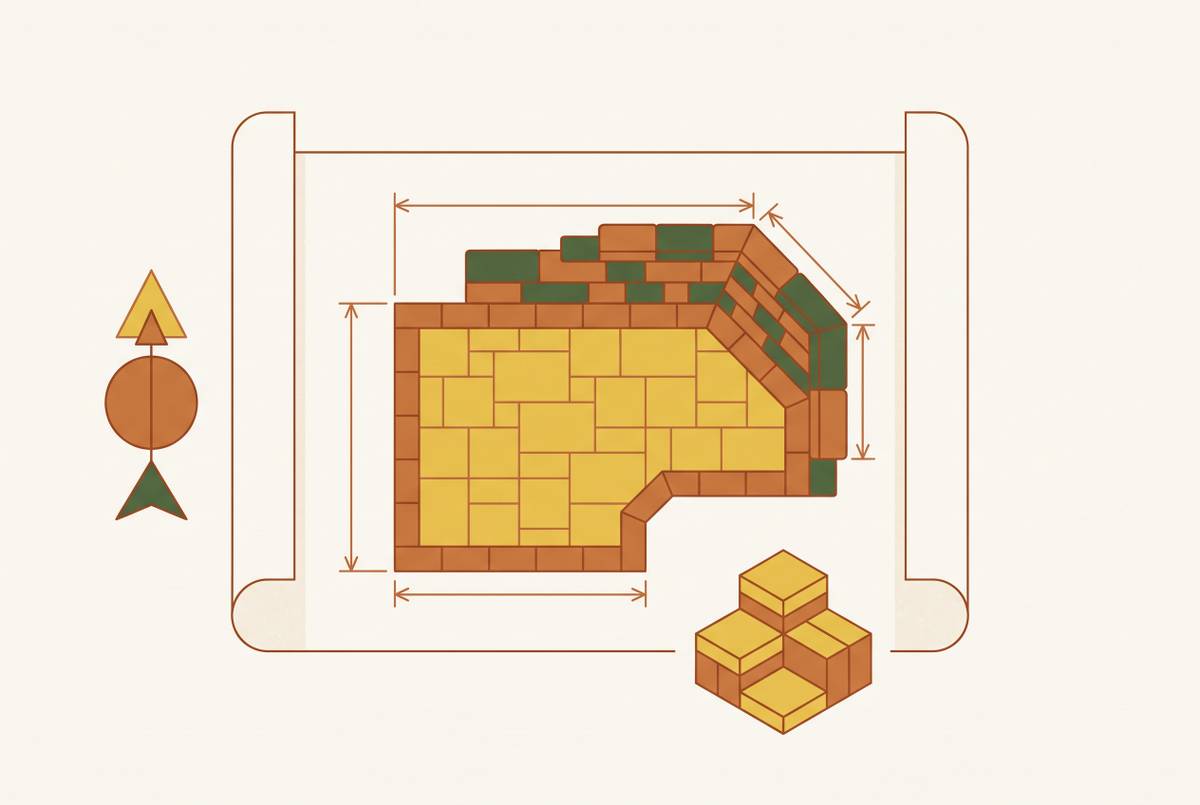
Hardscape Paver Selection by Application and Load Requirement
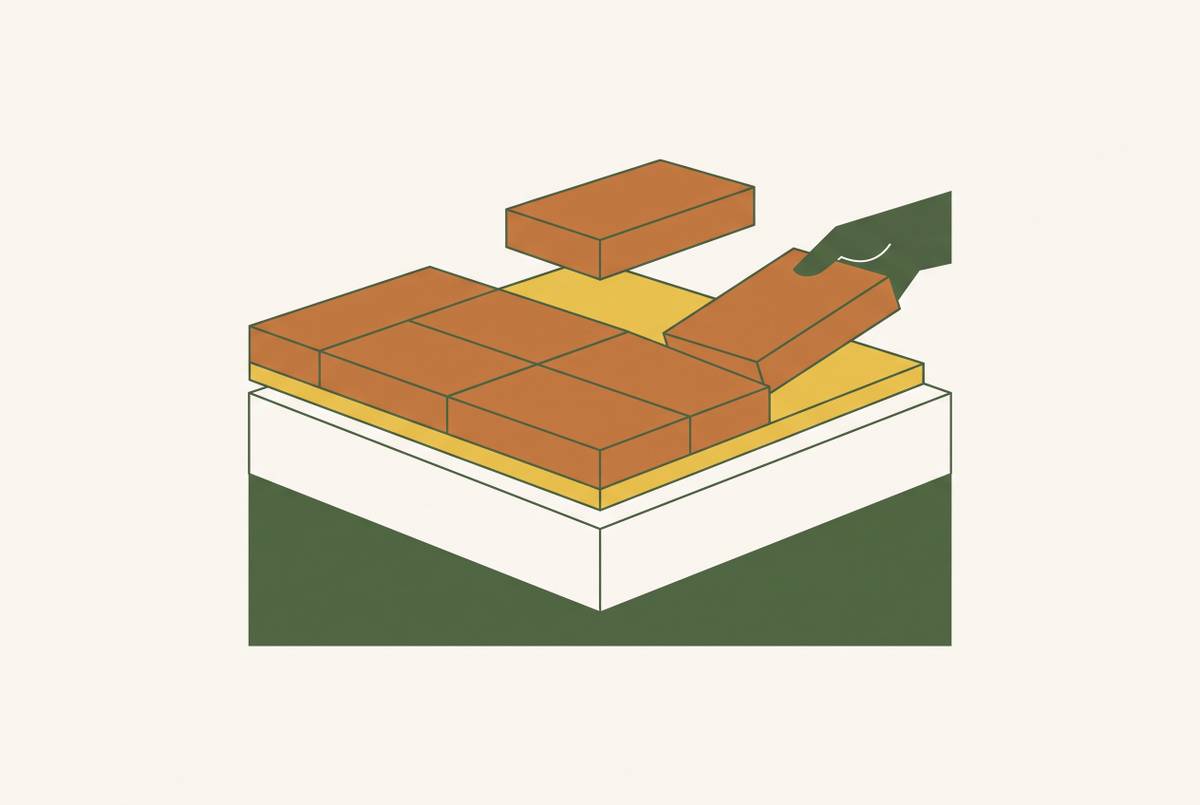
Matching paver thickness, material, and base to traffic load prevents costly premature failure.
Marcus Castellano
Section
16 stories in On the Job.
Matching paver thickness, material, and base to traffic load prevents costly premature failure.
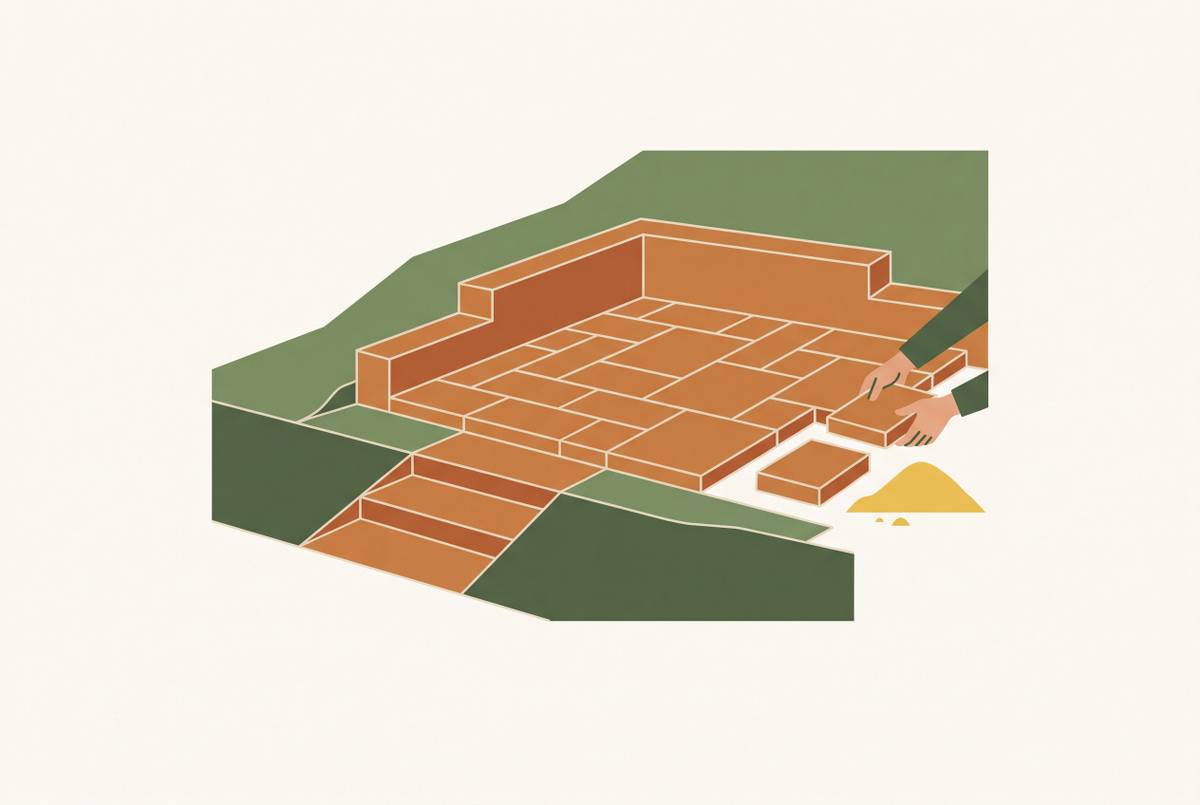
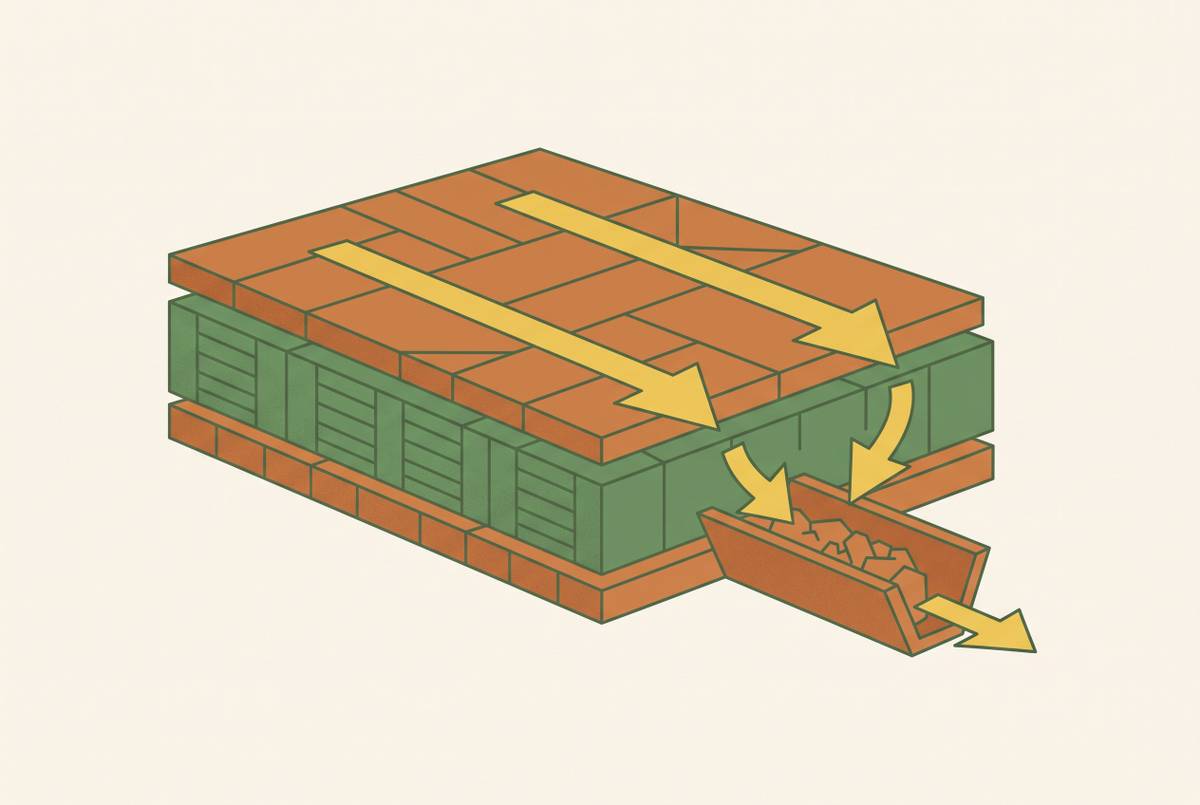
Drainage planning and proper retaining walls are non-negotiable for slopes.
Concrete slope is locked in at pour time and must meet code minimums to prevent foundation damage.
Gross margin bonuses with quality built in, not bolted on.
Proper preparation and drainage are critical—skip them and pavers will fail within seasons.
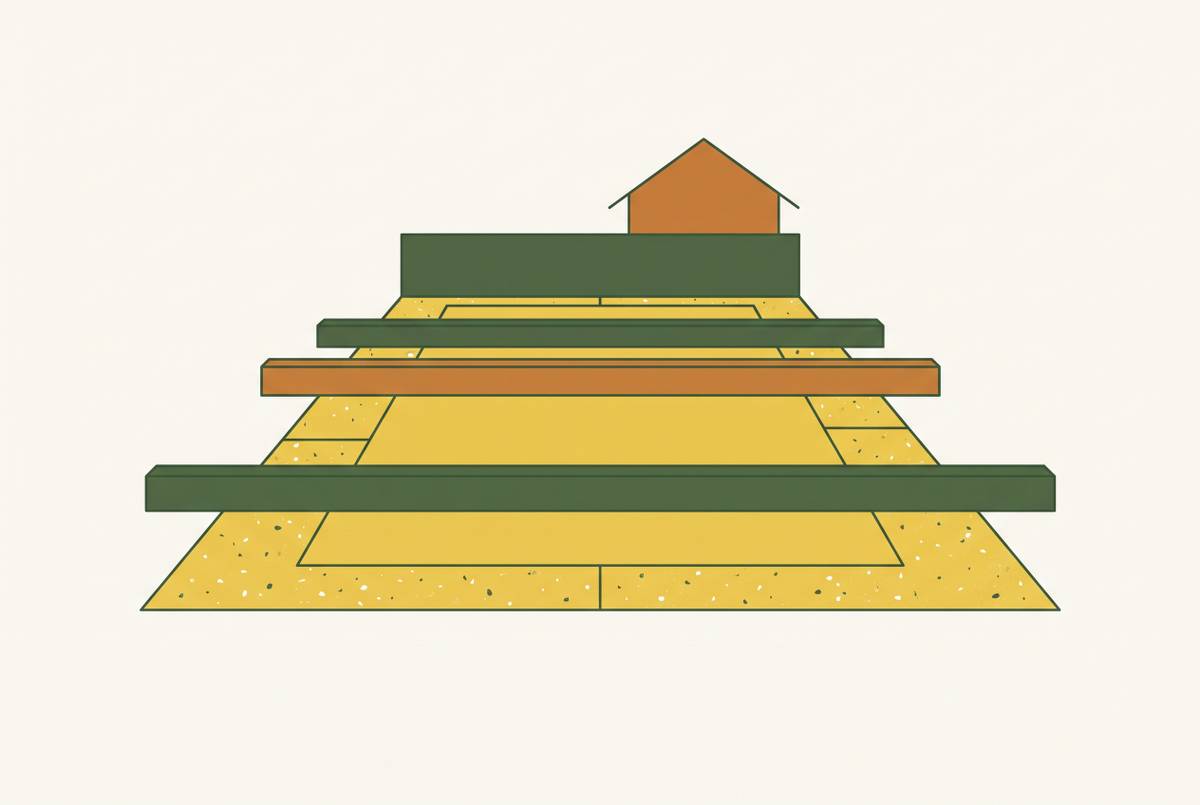
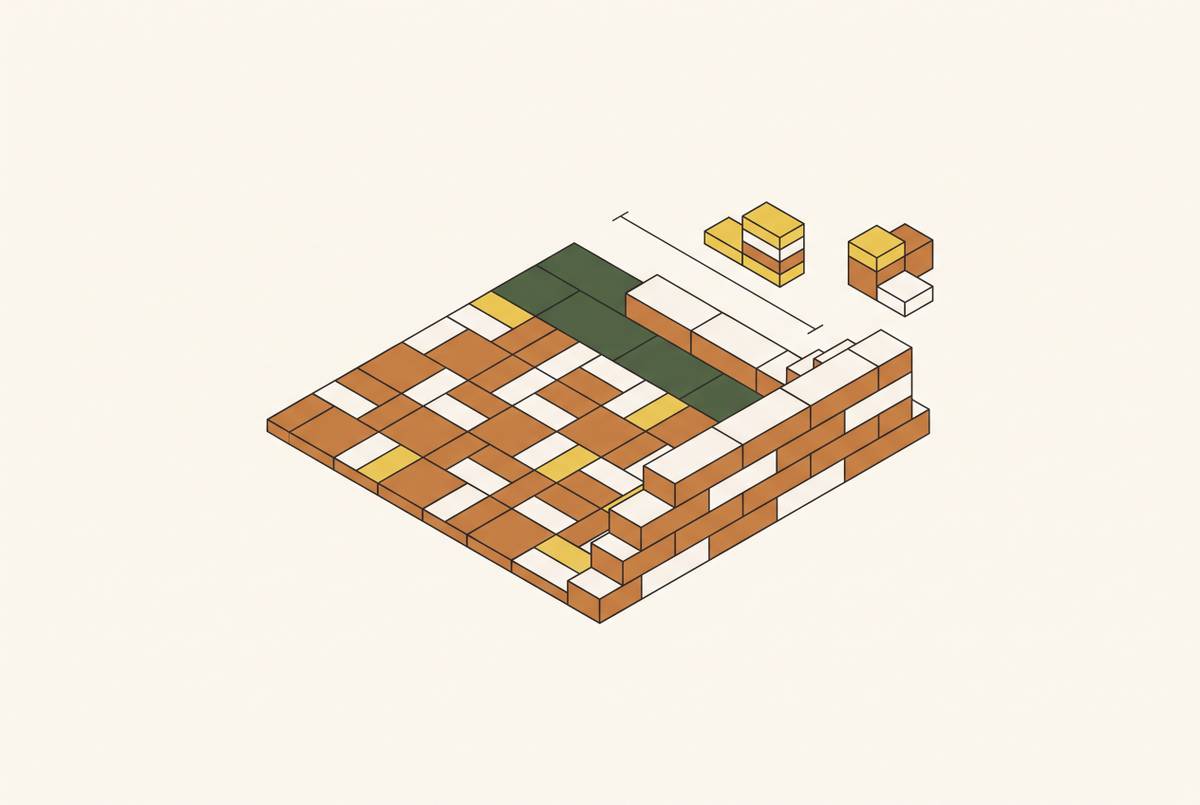
Proper rail setup determines bedding depth and prevents costly settlement failures.
Permits hinge on wall height, load, and drainage impact.
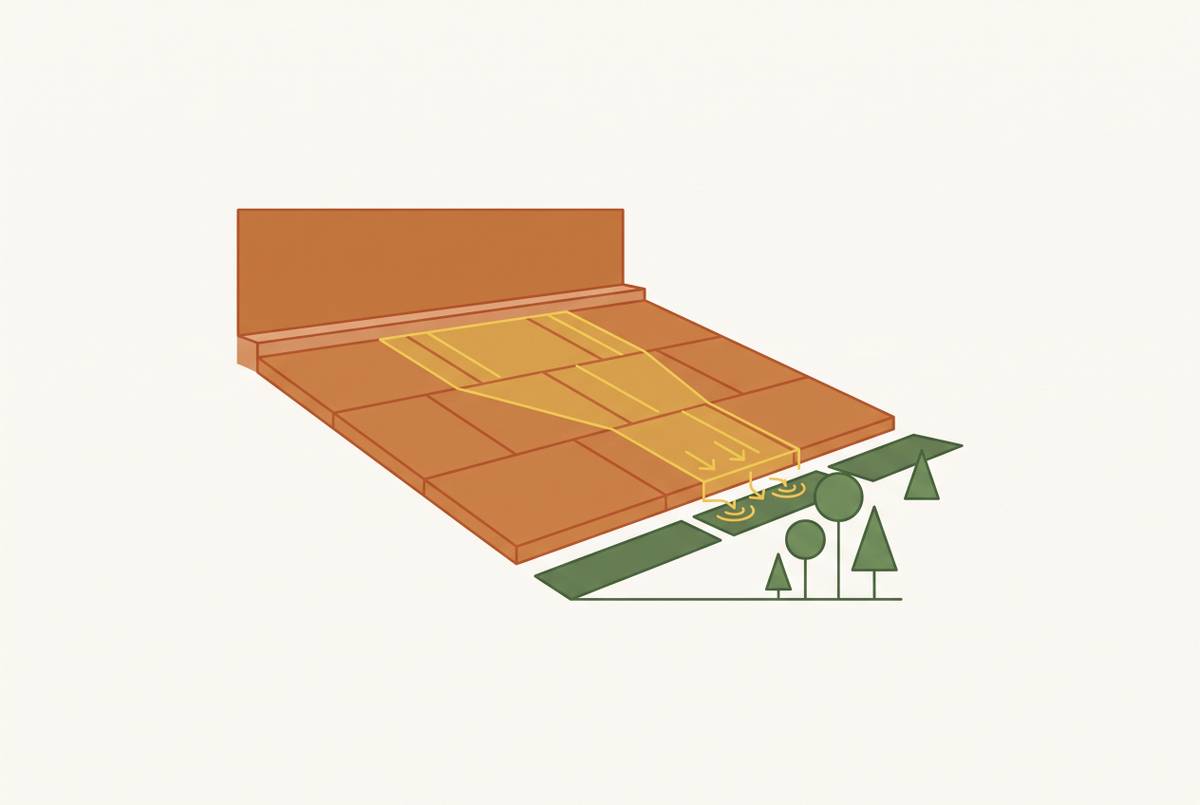
Proper drainage grading protects foundations and shields contractors from costly liability claims.
Coordinating multiple trades on hardscape projects prevents costly delays and code violations.
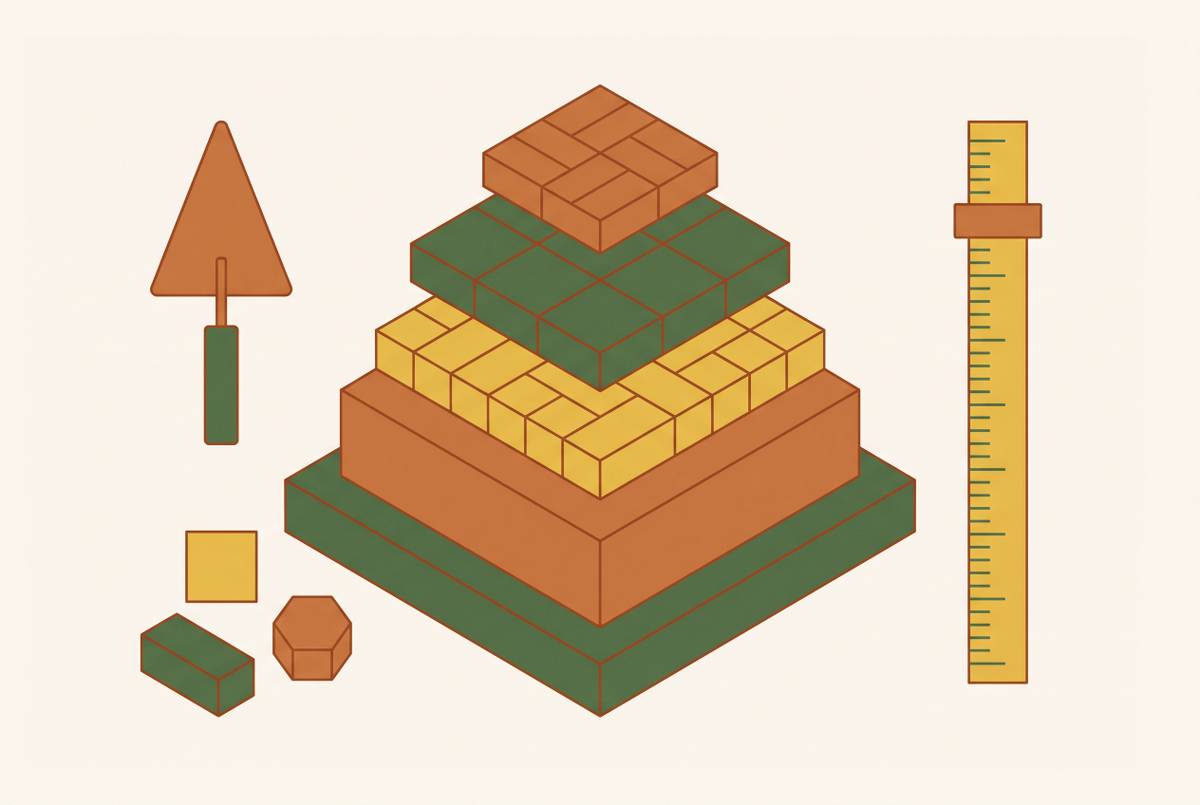
Accurate material counts for every buried layer prevent costly change orders and callback work.
Location, not size, determines whether hardscape work needs a permit.
Structured closeout secures faster payment and protects contractors after handoff.
Plan crew placement by phase, not by feel.
Proper documentation and signed approvals prevent costly disputes over inevitable project changes.
Skipping any cost layer before quoting almost guarantees underbidding on hardscape work.
Submit HOA, utility, and municipal permits at the same time.